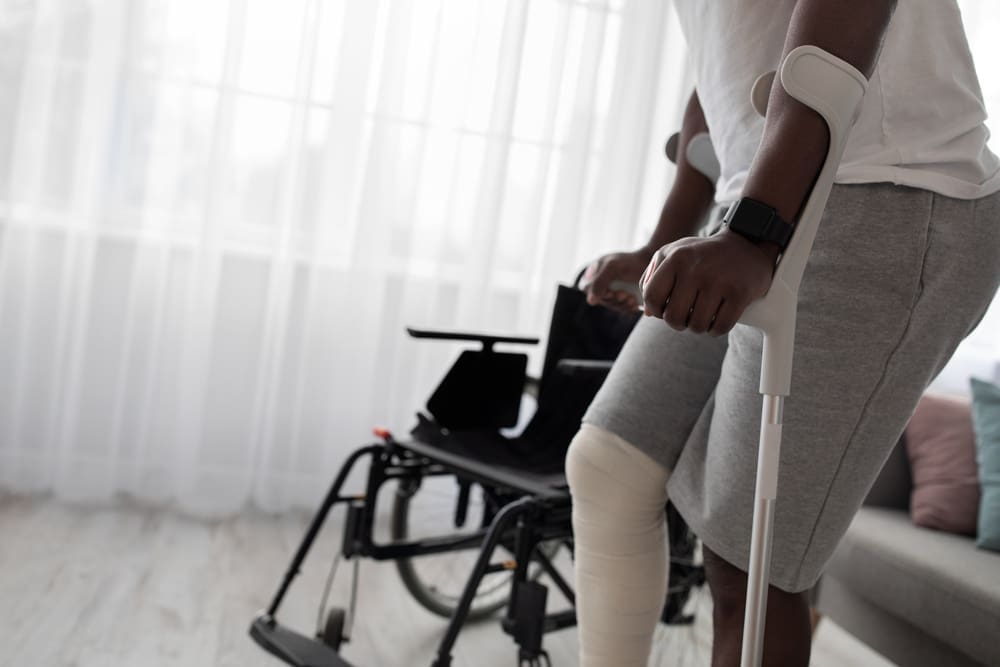
Most people spend weeks preparing for surgery.
They arrange time off work, stock the refrigerator, schedule follow-up appointments, and make plans for someone to drive them home. Then they walk through the front door after surgery and realize something they hadn’t considered.
Their home hasn’t changed, but what they can do inside it has.
The chair they’ve sat in every evening is suddenly difficult to get out of. Walking from the bedroom to the kitchen feels exhausting. The shower that was never a second thought now requires careful planning.
This is why preparing for recovery is just as important as preparing for surgery.
The right medical equipment isn’t about turning your home into a hospital. It’s about removing small obstacles that can become big frustrations while you’re healing.
Start by Thinking About Your Daily Routine
Instead of asking, “What equipment do I need?” ask yourself a different question.
“What will tomorrow look like when I get home?”
Walk through an ordinary day in your mind.
How will you get out of bed?
Where will you sit during the day?
Can you safely shower?
Will you need to carry meals from the kitchen?
Can you get into your home without climbing stairs?
Those answers often reveal exactly what equipment will make recovery smoother.
The Right Equipment Depends on the Recovery, Not the Surgery
Two people can have the same operation and recover very differently.
Someone who is active and lives in a single-story home may need very little assistance. Another person recovering from the same procedure may have stairs, uneven entryways, or limited help at home.
That’s why there isn’t a universal checklist for every surgery.
Your recovery is influenced by:
- Your mobility before surgery
- Your doctor’s weight-bearing restrictions
- Your home’s layout
- Whether someone will be helping you
- How long your recovery is expected to last
Thinking about your own environment is often more valuable than comparing your situation to someone else’s.
Sometimes One Small Change Makes the Biggest Difference
Many people assume they’ll need a long list of medical equipment.
Often, you only need one thing that solves your biggest challenge.
If standing from a recliner is the hardest part of the day, a lift chair rental may provide all the extra support you need while you recover including infinite positioning for comfort and a handheld control, removing manual effort.
If walking across the house feels unstable, a walker or rollator rental can help you move around with greater confidence.
If recovery means keeping weight off one foot for several weeks, a knee scooter rental often makes everyday movement much easier than relying on crutches alone.
The goal isn’t to collect equipment.
The goal is to solve the problem that’s most likely to slow down your recovery.
Don’t Forget About the First Week
The first several days after surgery are usually the most challenging.
You’re managing discomfort, adjusting to new routines, and learning what your body can and can’t do.
Simple tasks suddenly require more energy.
Standing long enough to cook dinner may not be realistic. Walking to the mailbox may feel farther than you remembered. Even getting comfortable while resting can become difficult.
Having equipment already in place allows you to focus on healing instead of searching for solutions after you’ve already discovered a problem.
Recovery Doesn’t Always Go According to Plan
One of the reasons rentals make so much sense is that recovery isn’t predictable.
Some people regain strength quickly.
Others need several extra weeks before they’re comfortable moving around independently.
It’s difficult to know ahead of time which group you’ll be in.
Renting gives you flexibility.
You aren’t making a permanent decision during a temporary situation. You’re simply giving yourself the support you need while your body heals.
If your recovery takes less time than expected, great.
If it takes longer, you already have the equipment in place.
Think Beyond Walking
When people picture recovering from surgery, they usually imagine walking.
But recovery is really about transitions.
Getting out of bed.
Standing from a chair.
Moving into the shower.
Getting on and off the toilet.
Climbing a single step into the house.
Each of those movements can feel different after surgery.
Sometimes a wheelchair rental isn’t needed inside the home at all. Instead, it becomes helpful for longer outings or follow-up appointments when conserving energy matters more than building endurance.
In other situations, families discover they need a patient lift rental because transfers between the bed and a chair are much harder than expected.
The best equipment isn’t necessarily the equipment you’ll use the most.
It’s the equipment that makes the hardest moments safer.
Make Your Home Work With You
Preparing your home doesn’t require major renovations.
Small adjustments often make the biggest difference.
Move frequently used items within easy reach.
Create clear walking paths between rooms.
Charge your phone where you spend most of the day.
Think about where you’ll sit, eat, and sleep during the first week home.
According to the Centers for Disease Control and Prevention’s STEADI program, reducing fall risks in the home is an important part of recovering safely, especially for older adults.
Medical equipment is only one part of that preparation, but it can make everyday activities feel much more manageable while you regain strength.
Renting Gives You Options
Buying equipment makes sense when you’ll need it for years.
Recovery after surgery is different.
You may only need additional support for a few weeks or a couple of months. Renting allows you to adapt as your recovery changes without filling your home with equipment you no longer need once you’re back on your feet.
For many families, that flexibility brings peace of mind.
Instead of wondering whether you’re buying the right thing, you can focus on getting better.
Recovery Starts Before You Leave the Hospital
The easiest recovery is usually the one that’s planned before surgery ever takes place.
If you already know you’ll have mobility restrictions, it’s worth thinking about how your home will function while you’re healing.
At Access Medical Equipment, we help people prepare for that transition every day. Whether you’re planning ahead or your surgery was unexpected, we’re happy to help you figure out what will actually make life easier during recovery.
You can visit our Seattle showroom or Renton showroom to talk through your recovery plans and see equipment in person.
If it’s more convenient, you can also browse and reserve medical equipment rentals online before your surgery or while you’re preparing to come home. Having the right equipment waiting for you means one less thing to worry about, so you can spend your energy where it belongs: on your recovery.