Coming home after a mastectomy can bring a mixture of relief, exhaustion, and uncertainty. Whether your surgery was part of breast cancer treatment or a preventive decision, the first few weeks at home may look different from your normal routine.
Activities you rarely think about, such as getting out of bed, reaching into a kitchen cabinet, taking a shower, or putting on a shirt, can suddenly require more effort.
The good news is that a little preparation can make those early days much easier.
Recovery isn’t about doing everything yourself or getting back to normal as quickly as possible. It’s about giving your body time to heal while making your surroundings comfortable, accessible, and safe.
Prepare Your Home Before Surgery
One of the best things you can do is arrange your home before your procedure.
After a mastectomy, you may experience soreness, swelling, fatigue, and limited arm or shoulder movement. Depending on your surgery, you may also have surgical drains that need attention for several days or longer.
Before surgery, take a look around the spaces where you spend the most time.
Move everyday items to waist or chest height so you don’t have to reach overhead. Place medications, water, your phone, and other essentials within easy reach of your favorite resting spot.
Consider preparing meals ahead of time or arranging help with cooking, laundry, shopping, and household chores.
If you live alone, having someone stay with you during the first day or two, or longer if your care team recommends it, can make a significant difference.
Create a Comfortable Place to Rest
Rest is an important part of healing, but finding a comfortable position after a mastectomy isn’t always easy.
Many patients are instructed to sleep on their backs, sometimes with their upper body slightly elevated, particularly during the early stages of recovery or following reconstruction. Your surgeon’s instructions should determine which sleeping positions are appropriate.
Extra pillows or a wedge pillow may help support your upper body and arms.
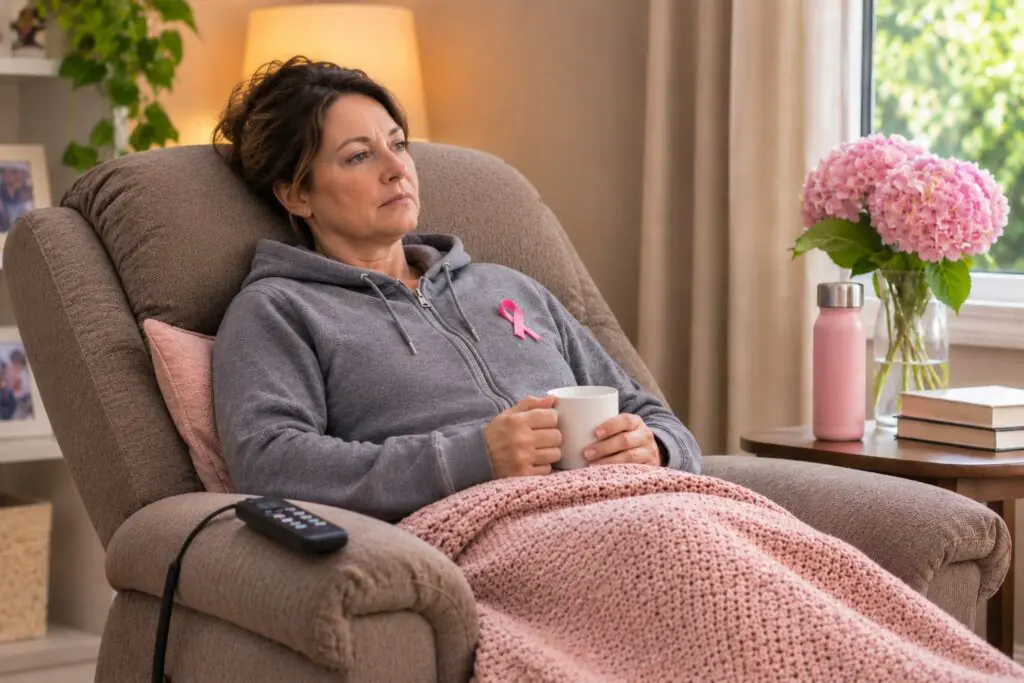
Some people also find that a supportive recliner makes resting more comfortable, especially when getting in and out of bed is difficult.
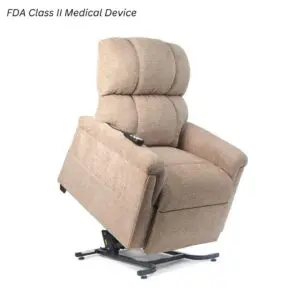
If standing from a low chair becomes challenging, a lift chair rental may be worth considering. A lift chair can help you transition from sitting to standing without relying as heavily on pushing yourself up with your arms.
That can be particularly helpful when your surgeon has restricted pushing, pulling, or certain upper-body movements.
Not everyone recovering from a mastectomy needs specialized furniture. The important thing is finding a resting position and seating arrangement that allows you to follow your recovery instructions without unnecessary discomfort.
Make Getting Dressed Easier
Getting dressed can be surprisingly challenging after breast surgery.
Reaching overhead, pulling clothing across your chest, and fastening garments behind your back may be uncomfortable or restricted during early recovery.
Before surgery, set aside a few comfortable outfits that are easy to put on and remove.
Button-front shirts, zip-up sweatshirts, loose-fitting pajamas, and soft fabrics are often more practical than clothing that needs to be pulled over your head.
Your surgical team may also recommend a specific post-surgical bra or compression garment. Follow their guidance rather than choosing one based only on comfort.
Small adjustments like these can help you feel more independent without putting unnecessary strain on your healing incisions.
Plan Ahead for Surgical Drains
Some mastectomy procedures require temporary surgical drains to remove fluid from the surgical area.
If you’re going home with drains, your care team should explain how to empty them, measure the fluid, record drainage, and recognize potential problems.
One of the biggest practical challenges is keeping the drains secure while moving around.
A drain belt, surgical camisole with pockets, or another surgeon-approved holder can help keep the collection bulbs from pulling on the tubing.
It’s also helpful to have a small notebook or phone app ready to track drainage if your surgeon requests it.
Never remove or adjust surgical drains unless your healthcare team has specifically instructed you to do so.
Think About Bathroom Safety
The bathroom deserves special attention during recovery.
Fatigue, discomfort, medications, and limited upper-body movement can make showering and getting up from the toilet more difficult than expected.
A shower chair may provide a comfortable place to sit while bathing once your surgeon has cleared you to shower. A handheld showerhead can also make bathing easier without requiring as much reaching or twisting.
If standing from the toilet is difficult, a raised toilet seat may help, provided it is appropriate for your mobility and surgical restrictions.
Keep frequently used toiletries within easy reach and avoid bending or stretching to retrieve items.
Most importantly, follow your surgeon’s instructions about when showering is permitted, how to protect your incision, and how to manage any drains.
Accept Help With the Tasks That Require Lifting
One of the most frustrating parts of recovering from a mastectomy can be feeling capable of doing something but knowing you shouldn’t.
You might feel well enough to carry groceries, vacuum the living room, lift a laundry basket, or pick up a small child.
However, your surgeon may restrict lifting, pushing, pulling, and repetitive arm movements while your incisions heal.
Those restrictions can vary significantly depending on whether you had a single or double mastectomy, lymph node surgery, or breast reconstruction.
Arrange help with tasks that could strain your chest or shoulders, especially during the first few weeks.
It’s much easier to plan for assistance ahead of time than to discover you need it after you’re already home.
Gentle Movement Is Still Important
Resting doesn’t mean you should remain completely inactive.
Short walks around your home can help you maintain mobility and gradually rebuild your stamina. Your healthcare team may also recommend specific arm and shoulder exercises to prevent stiffness.
The American Cancer Society’s guidance on exercises after breast cancer surgery explains why restoring comfortable arm and shoulder movement is an important part of recovery.
However, the timing and type of exercises depend on your procedure.
If you had reconstruction or lymph node surgery, your surgeon may give you additional restrictions. Don’t begin exercises or increase your activity beyond what your care team recommends.
Give Yourself Time to Recover Emotionally
Physical healing is only one part of recovery.
A mastectomy can bring significant emotional changes, even when surgery goes exactly as planned.
Some people feel relieved that their surgery is over. Others experience sadness, anxiety, frustration, or changes in how they feel about their bodies.
You may experience several of those emotions at different times.
There isn’t a correct way to feel after surgery.
Staying connected with family and friends, speaking with a counselor, or joining a breast cancer support group can help.
If you’re struggling emotionally, let your healthcare team know. Emotional support is an important part of recovery, not something you need to manage alone.
Know When to Contact Your Surgical Team
Before leaving the hospital, make sure you understand which symptoms require a call to your surgeon.
Contact your surgical team promptly if you notice:
- Increasing redness, warmth, or swelling around an incision
- Fever or chills
- New or worsening pain that isn’t controlled as expected
- Unusual drainage, foul odor, or bleeding
- Problems with a surgical drain
- Sudden swelling in your arm or chest
Seek emergency medical care for symptoms such as chest pain, severe difficulty breathing, or fainting.
Keep your discharge instructions and surgical team’s phone number somewhere easy to find. Their specific guidance takes priority over general recovery advice.
Make Recovery Easier, Not More Complicated
It’s easy to assume that recovering from surgery requires a long list of specialized equipment.
For many people, that’s simply not the case.
A few practical changes to your home, comfortable clothing, a supportive place to rest, and help with everyday chores may be all you need.
Others may benefit from temporary home medical equipment, especially if they have additional mobility limitations, are recovering from reconstruction, or have difficulty standing and moving comfortably.
The goal is to identify the specific challenges you’re likely to face and address them before they become frustrating.